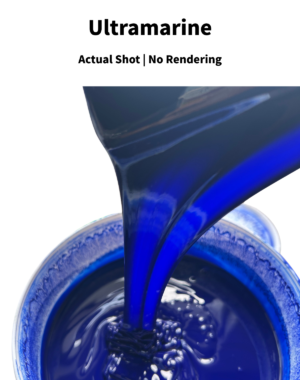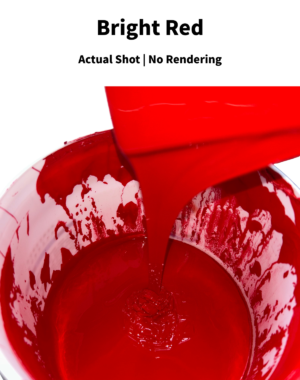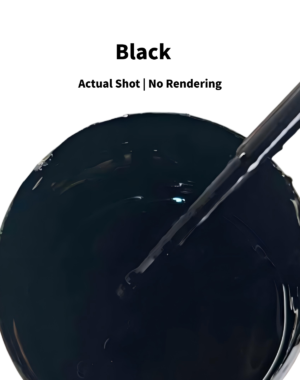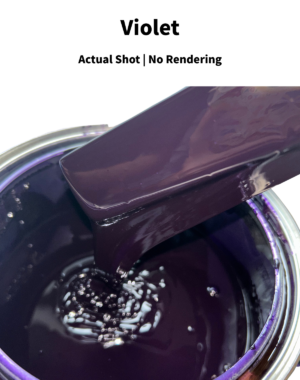
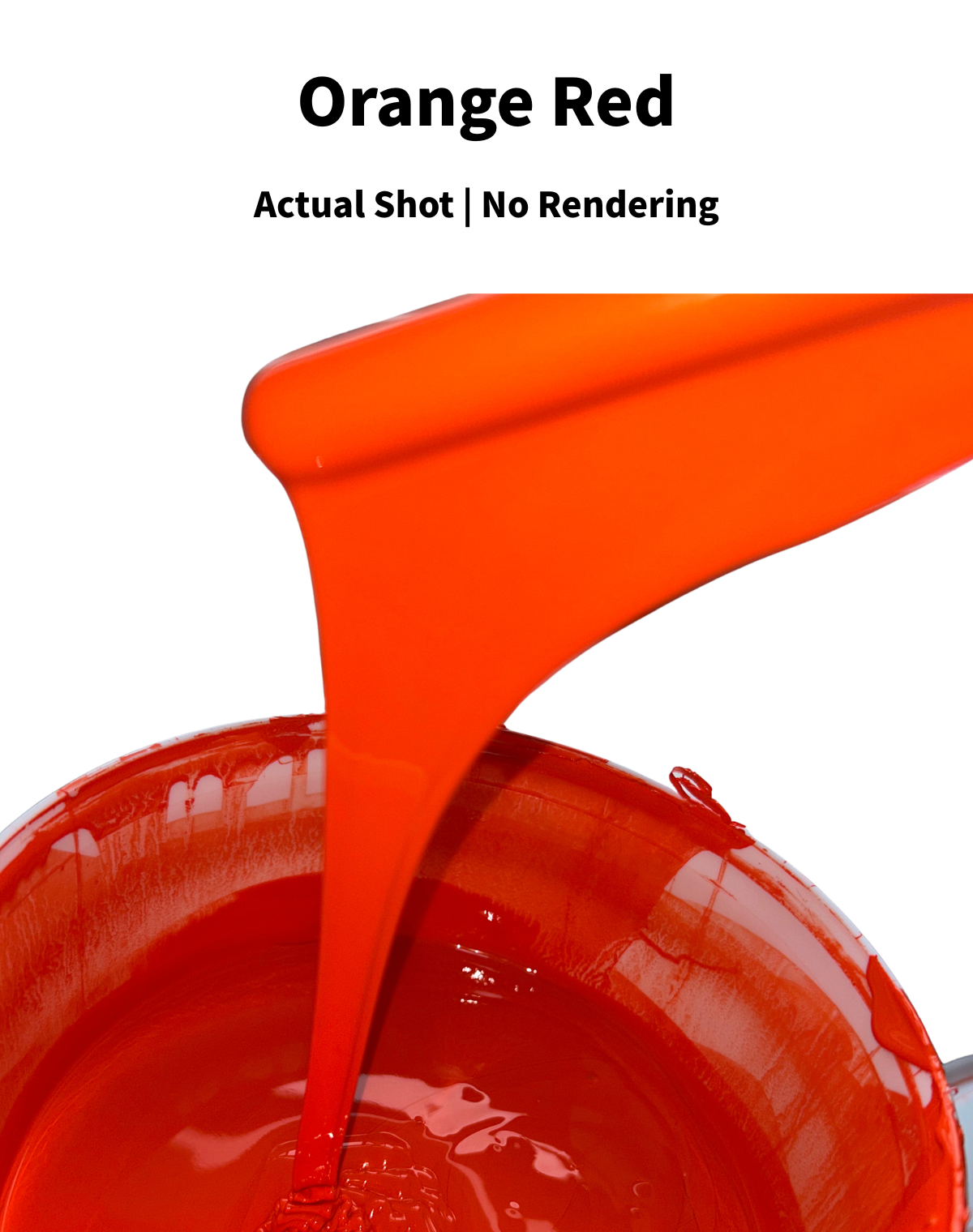
200-Orange Red
Description
Each color image only shows the color reference. For different substrates and specific requirements, please refer to the corresponding series below.
(This series offers full-spectrum color customization. Each series uses different base resins and functional additives, specifically formulated for PU, Nylon, TPU, PVC, EVA, Rubber and other shoe-material substrates with different physical requirements, ensuring adhesion, flex-resistance, and overall performance.)
PU Ink
✅ Substrates: PU artificial leather, PU synthetic leather
✨ Key Benefits: Outstanding adhesion, superior flex-resistance, anti-blocking performance, excellent screen-printing finish.
💡 Application Note: Preferred option for PU-made shoe uppers.
Nylon / PA Ink
✅ Substrates: Nylon fabric, PA synthetic textiles
✨ Key Benefits: Formulated for difficult-to-bond nylon substrates. Effectively prevents ink delamination and offers good wash resistance.
💡 Application Note: Specially engineered for nylon textile uppers. Conventional inks tend to peel off from nylon surfaces.
TPU Spray Ink
✅ Substrates: TPU film, TPU composite fabrics (for spray application)
✨ Key Benefits: Excellent spray leveling, uniform coating build-up, robust substrate adhesion.
💡 Application Note: Recommended for spray processing of TPU shoe uppers.
TPU Low-Temperature Flex-Resistant Ink
✅ Substrates: TPU-based shoe materials subject to repeated bending under low-temperature conditions
✨ Key Benefits: Reinforced low-temperature flex formulation. Resists cracking and chipping upon cyclic cold bending.
💡 Application Note: Ideal for TPU footwear intended for cold-climate use or subjected to frequent flexing.
PVC Spray Ink
✅ Substrates: PVC artificial leather, PVC film
✨ Key Benefits: Consistent adhesion to PVC substrates, good resistance to plasticizer migration.
💡 Application Note: Suitable for spray-on processing of PVC shoe uppers.
EVA Ink
✅ Substrates: EVA foam, EVA shoe uppers & midsoles
✨ Key Benefits: Optimized for porous foam substrates, resists oil exudation from foamed materials and ensures firm adhesion.
💡 Application Note: For printing on EVA foam uppers and midsoles.
Rubber Ink
✅ Substrates: Natural rubber & synthetic rubber footwear materials
✨ Key Benefits: Solves poor-adhesion challenges on rubber surfaces. High tensile strength, good flex performance and strong resistance to peeling and flaking.
💡 Application Note: For printing on all types of rubber shoe uppers.
High-Temperature-Resistant Ink
✅ Substrates: PU, TPU, PVC artificial leather
✨ Key Benefits: The cured printed film withstands post-process heat-press and thermal-setting treatment, featuring excellent anti-blocking performance and resistance to softening and ink detachment. Available for screen-print & spray application, solvent-based & water-borne grades (water-based spray grade is custom-made).
💡 Application Note: Preferred for shoe uppers requiring subsequent heat-press or thermal-setting processing. Ink heat-resistance does not equal substrate heat-resistance. Sample test is mandatory before mass-production.
Water-Based Foaming Ink
✅ Substrates: Various textile fabrics, synthetic-leather shoe uppers
✨ Key Benefits: Eco-friendly water-based formula. Produces soft spongy 3D puff effect via thermal expandable microcapsules. Low-VOC, odor-free, can be tinted for colored raised graphics. Screen-print only, not suitable for spray application.
💡 Application Note: Ideal for shoe uppers requiring soft 3D puff embossed effect. Low-temperature moisture drying followed by high-temperature baking is required to activate foaming. Avoid re-heat-press after foaming to prevent pattern collapse.